
How to Start a Small Herb Garden Indoors: A Beginner’s Guide
kovalei.pro >> Herb Garden>>Indoor Gardening>> How to Start a Small Herb Garden Indoors: A Beginner’s Guide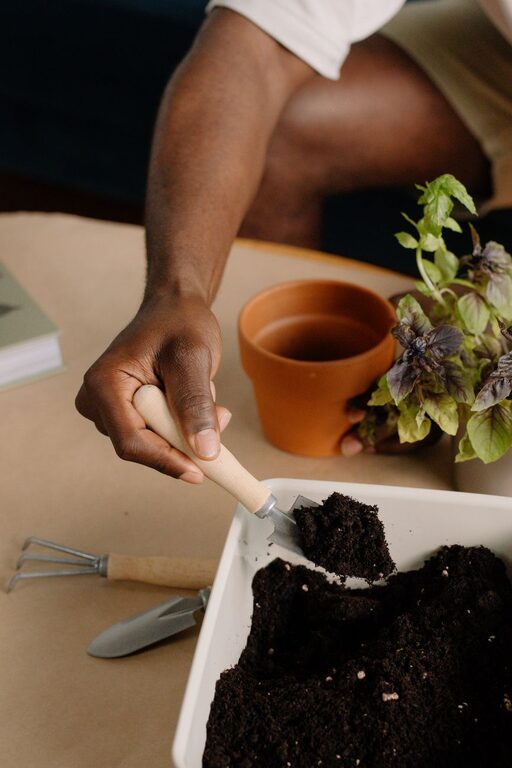
How to Start a Small Herb Garden Indoors: A Beginner’s Guide
Starting a small herb garden indoors is a rewarding and practical way to bring fresh flavors to your cooking while adding a touch of greenery to your living space. Whether you have a sunny windowsill or just a small corner in your kitchen, growing herbs indoors is easier than you might think. This guide will walk you through everything you need to know to get started.
Why Grow Herbs Indoors?
Indoor herb gardens offer several benefits:
– Fresh herbs all year: No need to buy pricey fresh herbs at the store.
– Convenience: Harvest herbs right when you need them.
– Space-saving: Perfect for small apartments or homes without yard space.
– Aesthetic appeal: Herbs add a beautiful and fragrant element to your kitchen or living room.
Choosing the Right Herbs
Not all herbs thrive indoors equally well, so start with easy-to-grow options. Some popular herbs for indoor gardening include:
– Basil: Loves warmth and plenty of sunlight.
– Parsley: A bit more tolerant of shade.
– Chives: Easy to grow and useful in many dishes.
– Mint: Grows quickly but can be invasive, so keep it contained.
– Thyme: Requires well-draining soil and moderate sunlight.
– Rosemary: Needs a sunny spot and good air circulation.
Start with a few herbs you use most often in your cooking to keep things manageable.
Selecting Containers for Your Herb Garden
Herbs need pots with good drainage. Here’s what to look for:
– Size: Choose pots that are about 4 to 6 inches deep.
– Material: Terracotta, ceramic, or plastic pots all work well. Terracotta is breathable but dries out faster.
– Drainage holes: Essential to prevent water from stagnating and causing root rot.
– Tray or saucer: To catch excess water and protect your surfaces.
If you want to get creative, you can use repurposed containers like mason jars or small wooden boxes, but make sure to add drainage layers or holes.
Choosing the Right Soil
Herbs prefer light, well-draining soil. A high-quality potting mix designed for indoor plants is best. Avoid garden soil, which can be too heavy and may contain pests.
You can also mix your own by combining:
– 2 parts potting soil
– 1 part perlite or coarse sand for drainage
– 1 part compost or organic matter for nutrients
Finding the Perfect Spot
Light is the most important factor in indoor herb gardening.
– Sunlight: Most herbs need 6-8 hours of direct sunlight daily. A south- or west-facing window is ideal.
– Artificial light: If natural light is limited, you can use fluorescent or LED grow lights placed 6-12 inches above the plants for 12-16 hours a day.
– Temperature: Herbs generally prefer temperatures between 65°F and 75°F (18°C to 24°C).
Rotate your plants regularly to make sure all sides get enough light and grow evenly.
Planting Your Herb Garden
You can start your indoor herb garden from seeds or buy young plants from a nursery.
Starting from Seeds
- Fill your containers with potting mix.
- Sprinkle seeds according to the packet instructions—usually, just a few seeds per pot.
- Lightly cover seeds with soil.
- Water gently and keep the soil moist but not soggy.
- Place pots in a warm, sunny location or under grow lights.
- Germination times vary by herb but usually take 7-14 days.
Transplanting Starter Plants
If you buy starter plants:
- Gently remove the plant from its nursery container.
- Loosen the roots slightly if they’re crowded.
- Plant it at the same soil depth in your pot.
- Water thoroughly.
Caring for Your Herbs
Watering
– Check soil moisture regularly by sticking your finger about an inch deep.
– Water when the top inch feels dry.
– Avoid overwatering; soggy soil can cause root rot.
– Herbs usually prefer to dry out a bit between waterings.
Fertilizing
– Use a balanced liquid fertilizer diluted to half strength every 4-6 weeks.
– Avoid overfeeding, which can cause weak, leggy growth.
Pruning
– Pinch back herb stems regularly to encourage bushier growth.
– Harvest leaves frequently, but avoid removing more than one-third of the plant at once.
Pests and Problems
– Watch for common indoor pests like aphids or spider mites.
– Wipe leaves with a damp cloth or use insecticidal soap if needed.
– Ensure good air circulation to prevent mold and mildew.
Tips for Success
– Start small: Begin with 3-4 herbs and expand as you get comfortable.
– Label your plants so you remember which is which.
– Use a spray bottle to mist herbs like basil that appreciate higher humidity.
– Experiment with different herbs to find what grows best in your space.
– Enjoy the process and the fresh flavors you create!
Conclusion
Starting a small herb garden indoors is a satisfying hobby that brings fresh herbs to your kitchen and life. With the right light, containers, soil, and care, you can enjoy your own green oasis no matter the season. So pick your favorite herbs, get your pots ready, and start planting today!
Happy gardening!